
Chronic pain can originate from the spine, joints, nerves, muscles, prior injuries, or pain related to cancer and other medical conditions. At Medway Pain Center, we focus on identifying the underlying cause of your pain rather than simply treating symptoms. As a trusted pain management clinic in El Paso, our goal is to provide an accurate diagnosis and create a personalized treatment plan that helps reduce pain, restore function, and improve your quality of life.
This page is your starting point for exploring the chronic pain conditions we evaluate and treat, including back pain, neck pain, sciatica, neuropathy, CRPS, joint pain, and cancer pain. Each condition page explains common symptoms, possible causes, how we diagnose the condition, and the advanced treatment options that may help you find lasting relief through personalized, evidence-based care.

Spine and nerve-related pain can cause symptoms in the neck, back, arms, legs, or feet. Patients may notice sharp pain, burning, tingling, numbness, weakness, or pain that travels from one area of the body to another.
Some nerve pain conditions are more complex and may require a detailed review of symptoms, prior procedures, imaging, medications, and how the pain has changed over time.
Joint and regional pain can limit walking, standing, lifting, sleeping, work, exercise, and routine activities. These conditions may involve inflammation, arthritis, injury, overuse, or pain from nearby nerves and soft tissues.
Cancer-related pain may come from the cancer itself, prior surgery, radiation, chemotherapy-related nerve irritation, or other medical factors. These cases often require careful coordination with the patient’s oncology and primary care teams.
A clear diagnosis helps avoid guessing. During an evaluation, the Medway Pain Center team reviews where the pain is located, how it feels, what makes it better or worse, and how long it has been present. We also review prior treatments, medications, imaging, injuries, surgeries, and medical history so the next step fits the patient rather than forcing every patient into the same plan.
For many patients, the evaluation may include a physical exam, review of MRI or X-ray findings, and discussion of whether the symptoms are coming from joints, discs, nerves, muscles, or another source. When appropriate, diagnostic injections or targeted procedures may help confirm the source of pain and guide future care.
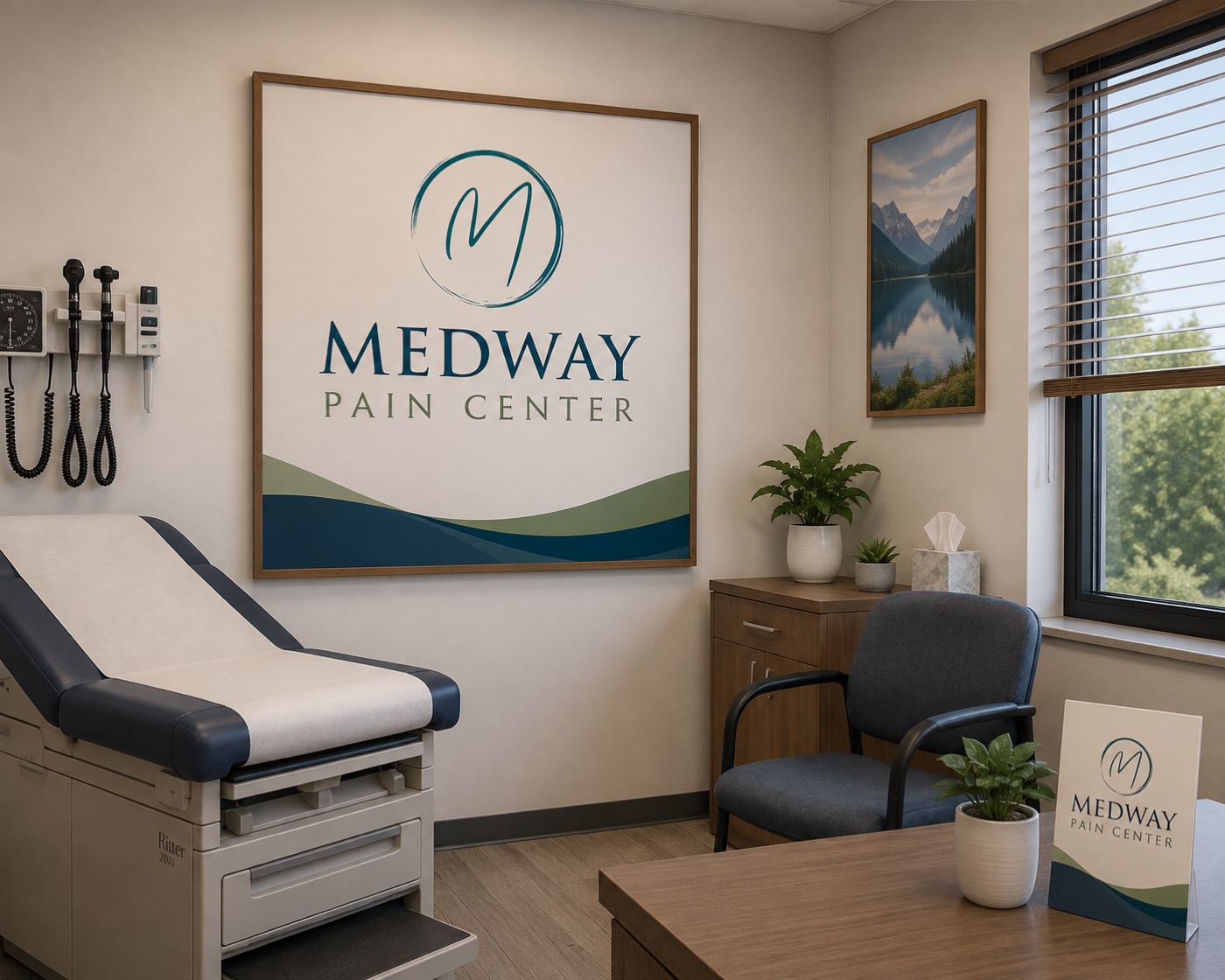
Medway Pain Center evaluates many chronic pain conditions, including back pain, neck pain, sciatica, neuropathy, CRPS, joint pain, headaches related to nerve irritation, pelvic pain, and cancer-related pain.
The source of chronic pain is not always obvious. A careful evaluation may include your symptoms, medical history, physical exam findings, prior treatments, and imaging when appropriate. The goal is to identify the most likely pain generator before recommending treatment.
Not always. Some patients already have X-rays, MRI, CT scans, or other test results, while others may need imaging ordered after their evaluation. Your provider can help decide what information is needed based on your symptoms and exam.
A condition describes what may be causing the pain. A treatment describes how that problem may be addressed. For example, sciatica may be related to nerve irritation, while joint pain may come from arthritis or inflammation. Different causes can lead to different treatment options.
Many chronic pain conditions can be managed with non-surgical care. Depending on the diagnosis, options may include medication planning, physical therapy coordination, image-guided injections, nerve blocks, radiofrequency ablation, or other interventional pain treatments.
Consider scheduling an evaluation if pain is persistent, worsening, affecting sleep, limiting walking or daily activities, or not improving with conservative care. An accurate diagnosis can help guide the next step.
The condition is the reason for care. The treatment is the method used to address it. For example, back pain may be related to facet joints, discs, sacroiliac joints, spinal stenosis, or nerve irritation, and each cause may lead to a different treatment pathway. That is why a condition page should help patients understand the problem, while the treatment pages explain the available procedures and therapies.
After your condition is identified, your provider may discuss options such as image-guided injections, nerve blocks, radiofrequency ablation, medication planning, referral coordination, or advanced therapies when conservative care has not provided enough relief. You can also review the Pain Treatments page to see how Medway Pain Center approaches non-surgical pain care.
If pain is limiting your work, sleep, walking, exercise, or everyday activities, an evaluation can help clarify what is causing the symptoms and what options may be available. Medway Pain Center serves patients in the El Paso area through East El Paso and Central El Paso locations.
Book an Appointment to discuss your symptoms and the next appropriate step in your care.

At Medway Pain Center, every patient begins with a thorough evaluation led by Dr. Tochi Umunakwe, a fellowship-trained, double board-certified interventional pain management physician and Medical Director. Her approach focuses on identifying the underlying cause of chronic pain and developing personalized treatment plans using conservative care, minimally invasive procedures, and advanced pain therapies when clinically appropriate.
You do not have to live with ongoing pain. Our team is here to help you
understand your options and take the next step.
Se habla español.